
ठाउँहरू
ठाउँमा पुग्नुअघि, वा त्यसको अगाडि उभिँदा, पढ्नुहोस्
एपले बोल्न सक्ने हरेक ठाउँ, जोसुकैले इन्स्टल वा खाताबिना खोल्न सक्ने पृष्ठको रूपमा। हरेक पृष्ठ फोनले बोक्ने उही उद्धृत अभिलेखबाट बनेको छ।
- हरेक तथ्य नाम भएको स्रोतसम्म पुग्छ
- वास्तविक निर्देशांक, अनुमानितलाई लेबलसहित
- हरेक ठाउँको एउटै स्थिर लिङ्क, फलकमा छाप्न तयार
ठाउँहरूको विवरण अहिले अंग्रेजीमा मात्र छ। नेपाली अनुवाद समीक्षा नभएसम्म हामी प्रकाशित गर्दैनौं, किनभने जाँच नगरिएको अनुवाद पनि स्रोतबिनाको दाबी हो।
15 ठाउँ
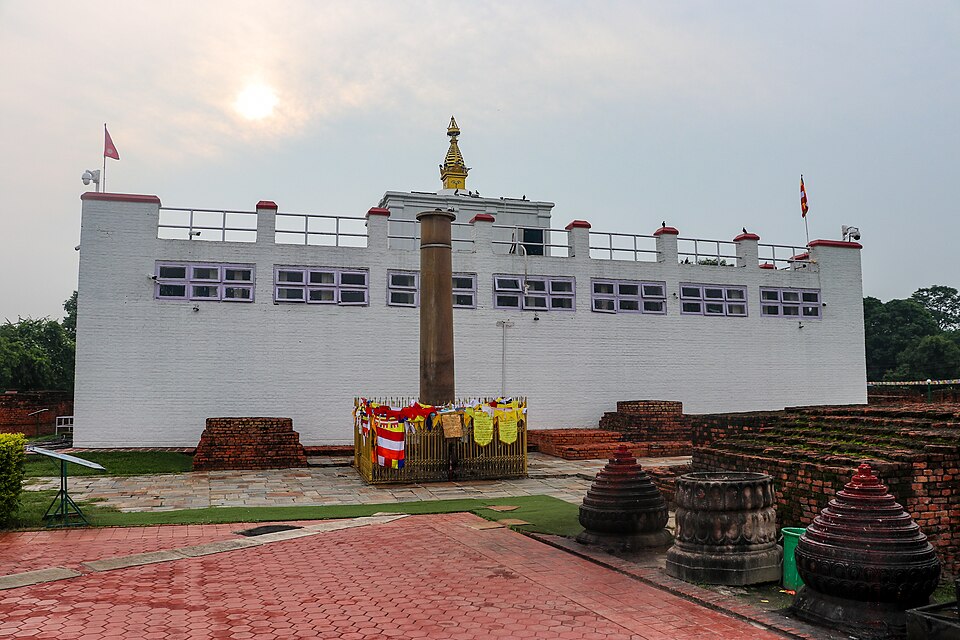 लुम्बिनीPhoto: Shadow Ayush, CC BY-SA 4.0, Wikimedia Commons
Sacred Garden · 249 BCE to present
Ashokan Pillar
अशोक स्तम्भ
This sandstone pillar was raised by the Mauryan emperor Ashoka in 249 BCE, in his twentieth regnal year, to mark the birthplace of the Buddha.
4 स्रोत2 दृष्टिकोण
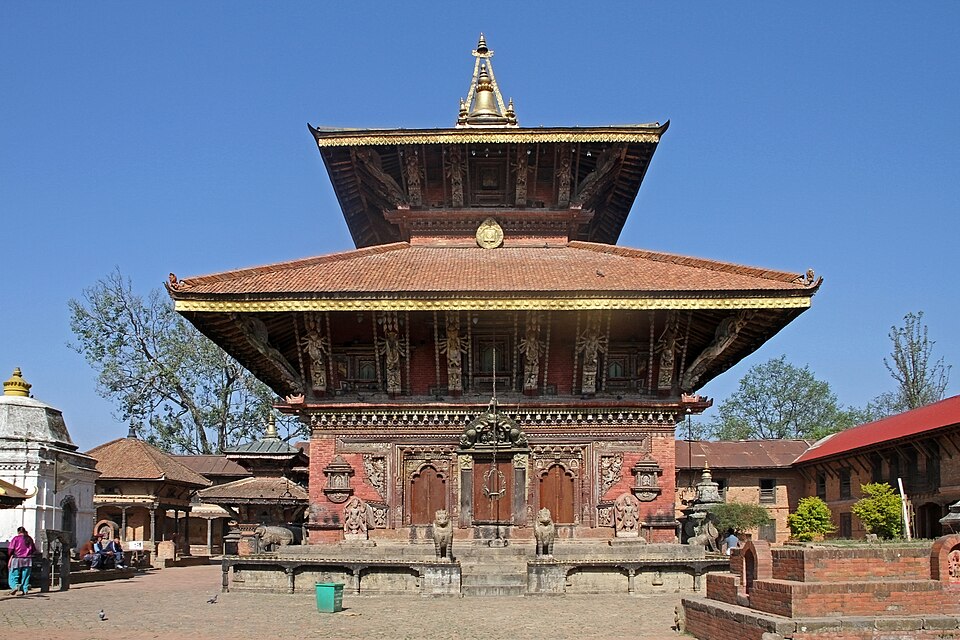 काठमाडौं उपत्यकाPhoto: Gerd Eichmann, CC BY-SA 4.0, Wikimedia Commons
Kathmandu Valley · 464 CE to present
Changu Narayan
चाँगुनारायण
Changu Narayan stands on a hilltop above the Manohara valley, east of the Bagmati river.
3 स्रोत2 दृष्टिकोण
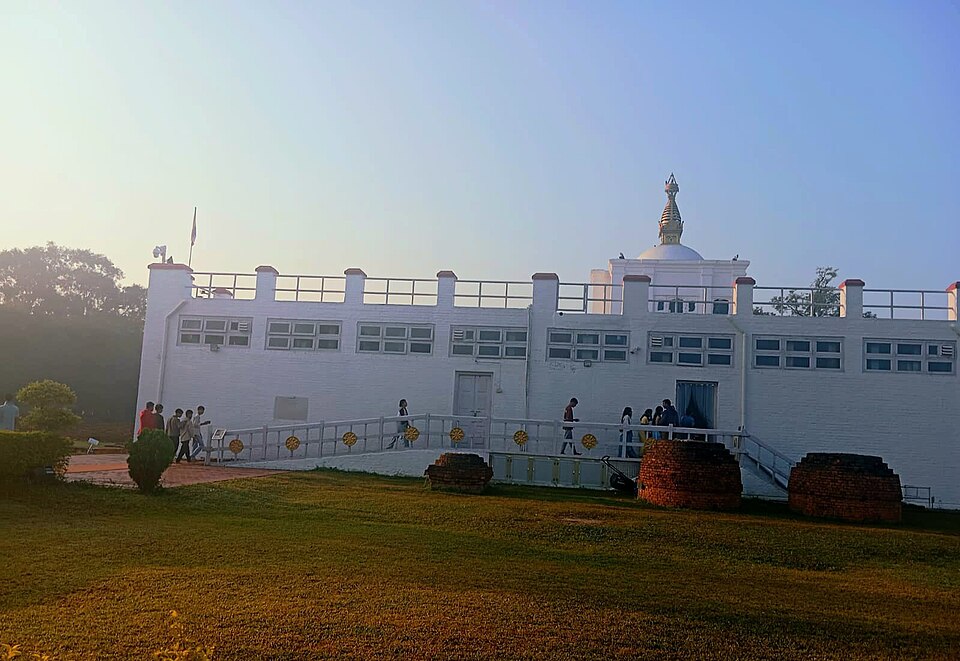 लुम्बिनीPhoto: SristiAwasthi21, CC BY-SA 4.0, Wikimedia Commons
Sacred Garden
Marker Stone
चिन्ह ढुङ्गा
The Marker Stone is a small slab of conglomerate, discovered in 1996, that archaeologists identify as pinpointing the exact spot of the nativity.
1 स्रोत
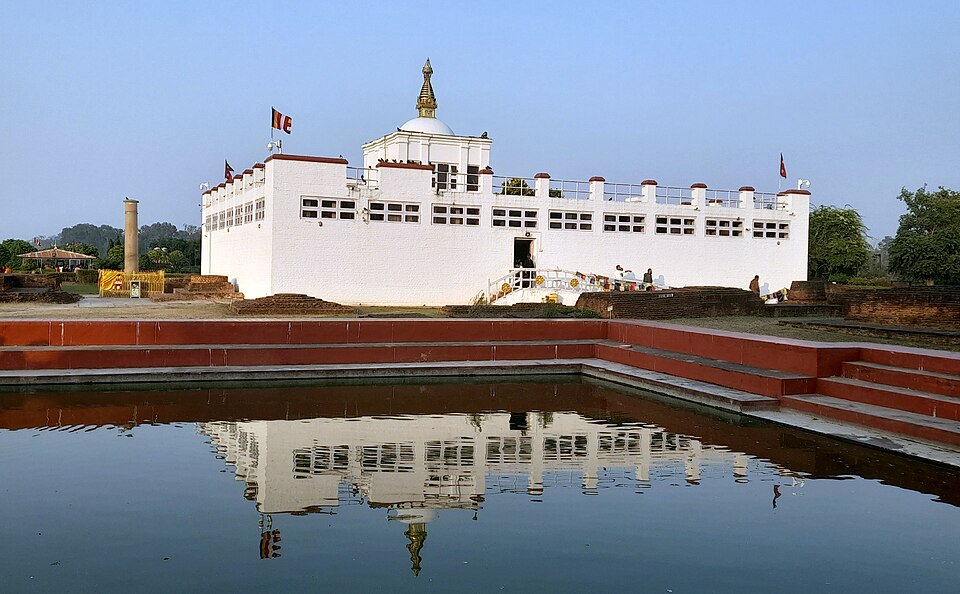 लुम्बिनीPhoto: Rangan Datta Wiki, CC BY-SA 4.0, Wikimedia Commons
Sacred Garden · 250 BCE to present
Maya Devi Temple
माया देवी मन्दिर
The Maya Devi Temple encloses the spot venerated for over two millennia as the birthplace of the Buddha.
3 स्रोत2 दृष्टिकोण
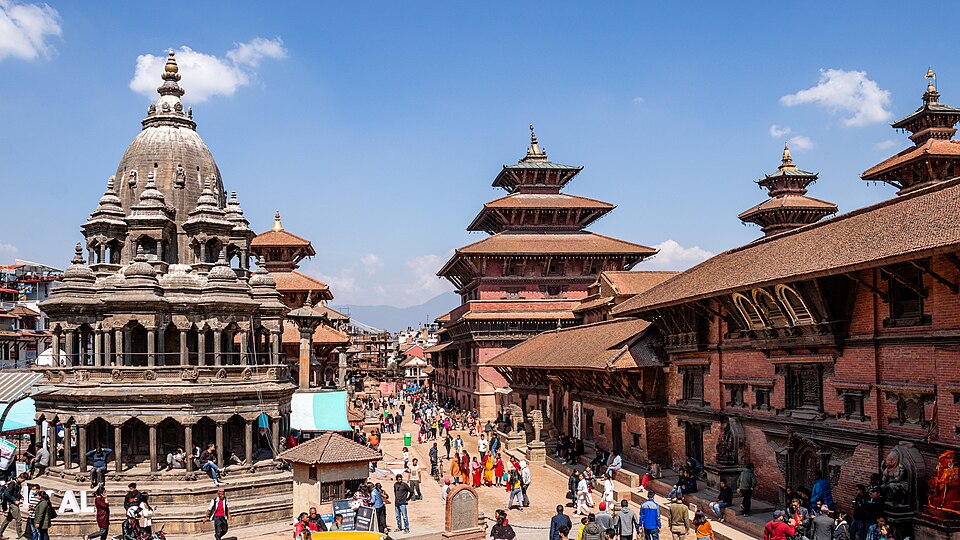 काठमाडौं उपत्यकाPhoto: Bijay Chaurasia, CC BY-SA 4.0, Wikimedia Commons
Kathmandu Valley · 1627 CE to present
Patan Durbar Square
पाटन दरबार क्षेत्र
Patan Durbar Square is the royal square of the Malla kings of Lalitpur, with most of its surviving palace and temple ensemble shaped between the 16th and 18th centuries.
3 स्रोत2 दृष्टिकोण
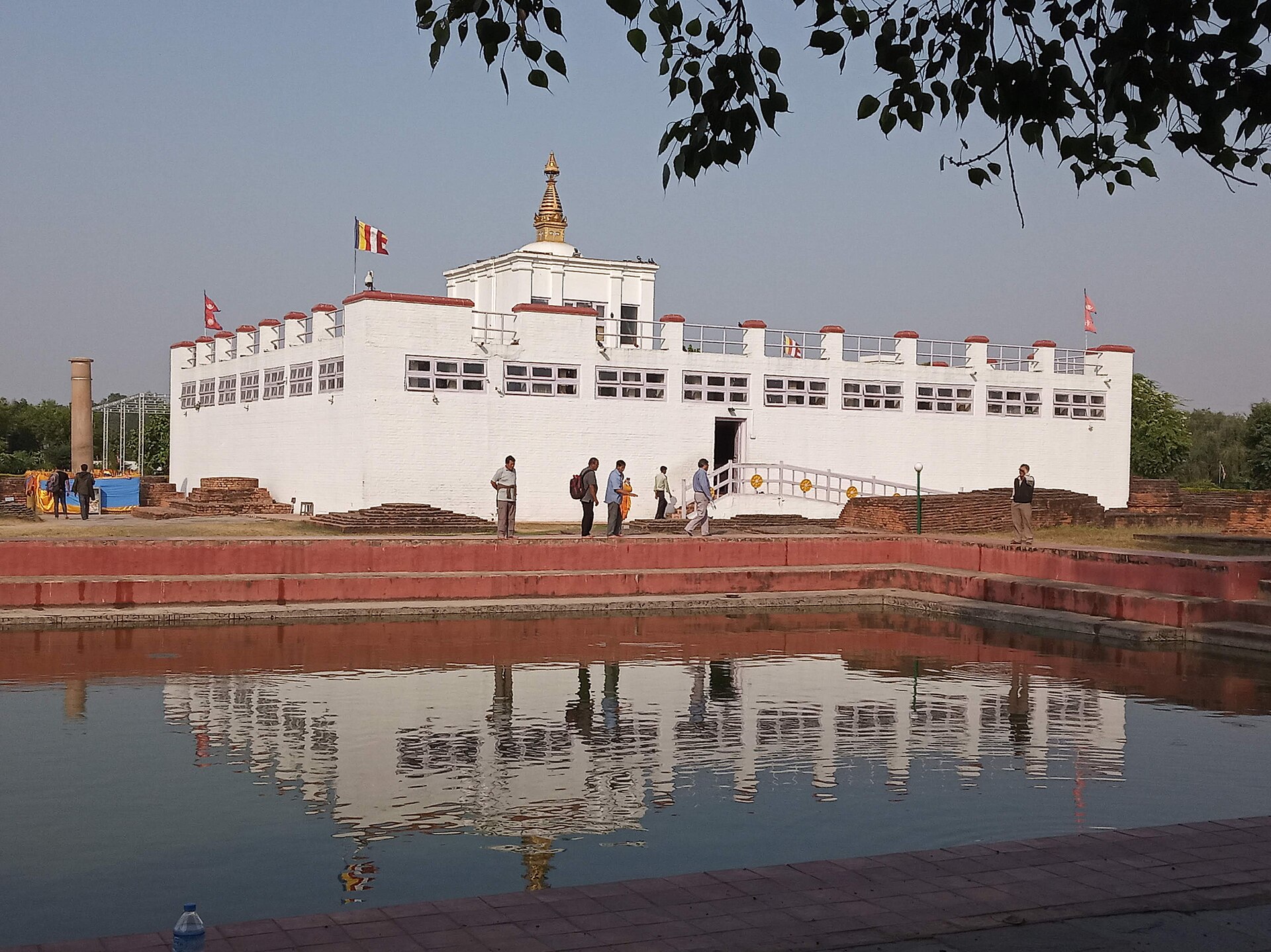 लुम्बिनीPhoto: Dhrubapaudel, CC BY-SA 4.0
Sacred Garden
Puskarini
पुष्करिणी
The Puskarini is the sacred pond set about twenty-five paces from the Marker Stone, within the Sacred Garden.
2 स्रोत2 दृष्टिकोण
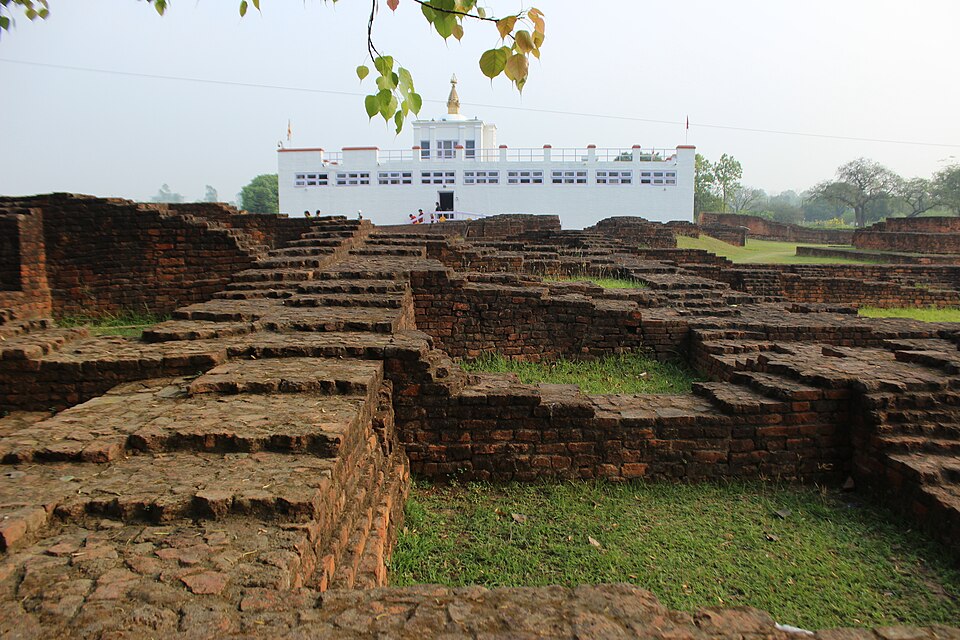 लुम्बिनीPhoto: Sanu N, CC BY-SA 4.0, Wikimedia Commons
Sacred Garden · 250 BCE – 500 CE
Vihara & Stupa Remains
विहार तथा स्तूप अवशेष
Across the Sacred Garden stand the excavated brick foundations of Buddhist monasteries (vihāras) and votive stupas, built and rebuilt between the 3rd century BCE and the 5th century CE.
2 स्रोत
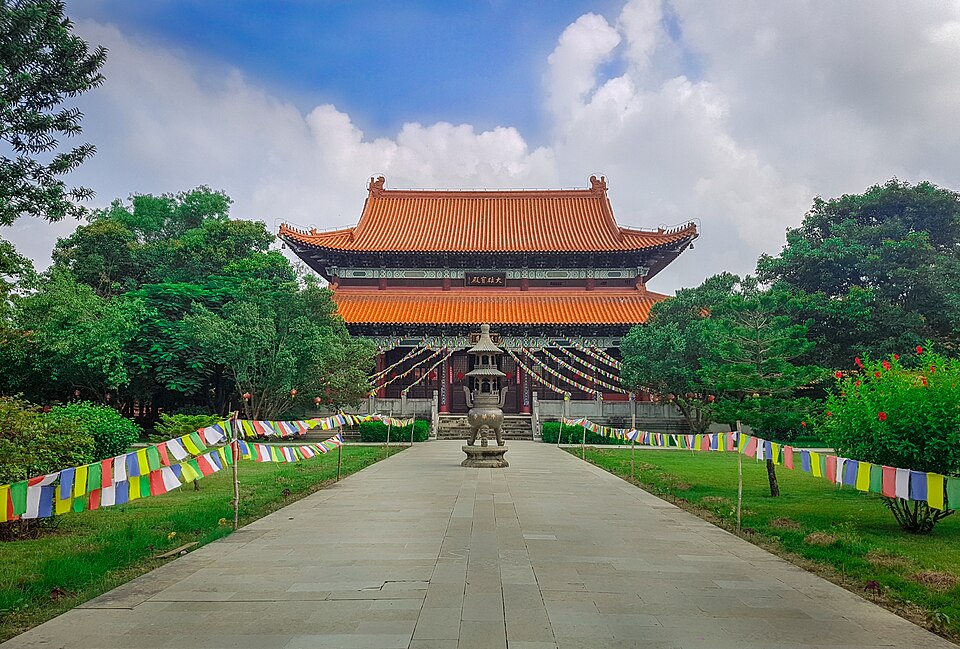 लुम्बिनीPhoto: Bijayrpoudel, CC BY-SA 4.0, Wikimedia Commons
West Monastic Zone · 1996 CE to present
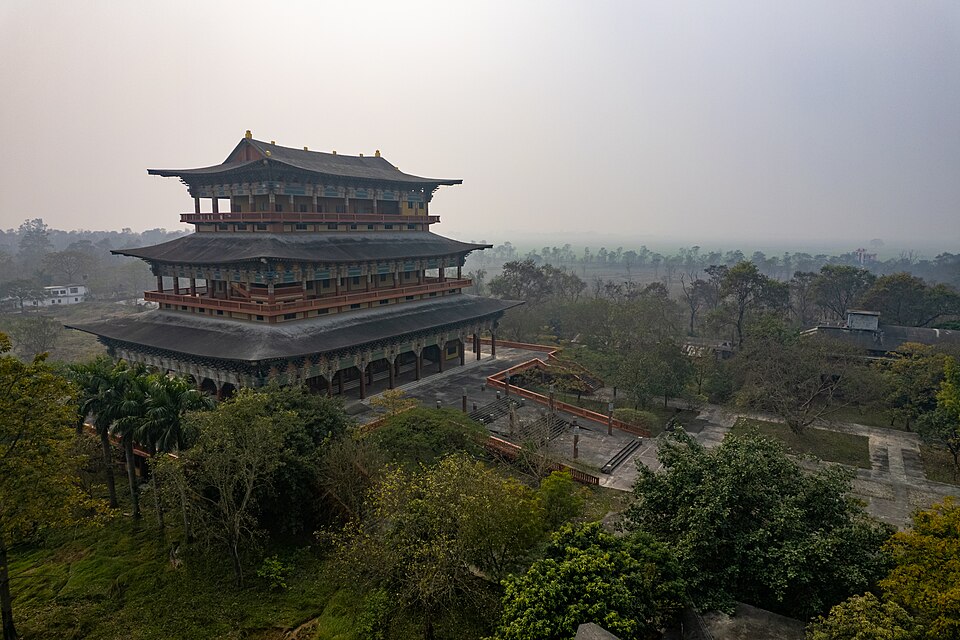
China Temple
चीन मन्दिर
The China Temple, built by the Buddhist Association of China in the western monastic zone, is a walled complex of tiled pagodas, prayer halls and meditation cells in classical Chinese style: one of the largest monastery compounds on the Kenzo Tange master-plan grid.
1 स्रोत
 लुम्बिनीPhoto: Megaurab09, CC BY-SA 4.0, Wikimedia Commons
West Monastic Zone · 2000 CE to present
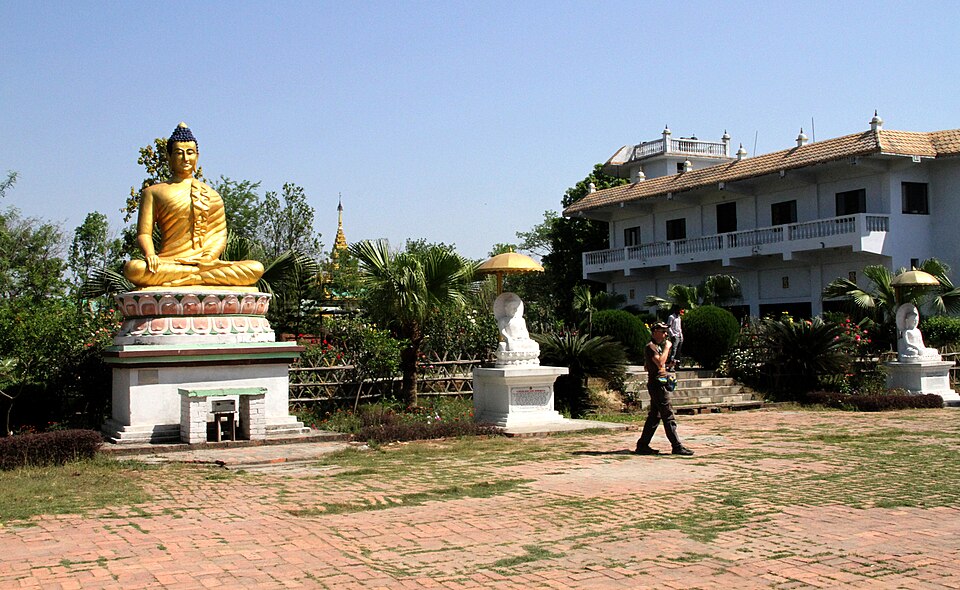
Dae Sung Suk Ga Sa
डे सुङ सुक गा सा
Dae Sung Suk Ga Sa, the Korean monastery in the western monastic zone, is a large temple and pilgrim guesthouse serving Korean Buddhist visitors to Lumbini.
1 स्रोत
 लुम्बिनीPhoto: Gerd Eichmann, CC BY-SA 4.0, Wikimedia Commons
East Monastic Zone · 2000 CE to present
International Gautami Nuns Temple
अन्तर्राष्ट्रिय गौतमी भिक्षुणी मन्दिर
The International Gautami Nuns Temple, named for Mahāpajāpatī Gotamī, the Buddha’s aunt and foster-mother and the first ordained bhikkhunī, stands in the eastern monastic zone.
1 स्रोत
 लुम्बिनीPhoto: Ashesh.bhusal, CC BY-SA 4.0, Wikimedia Commons
East Monastic Zone · 1970 CE to present
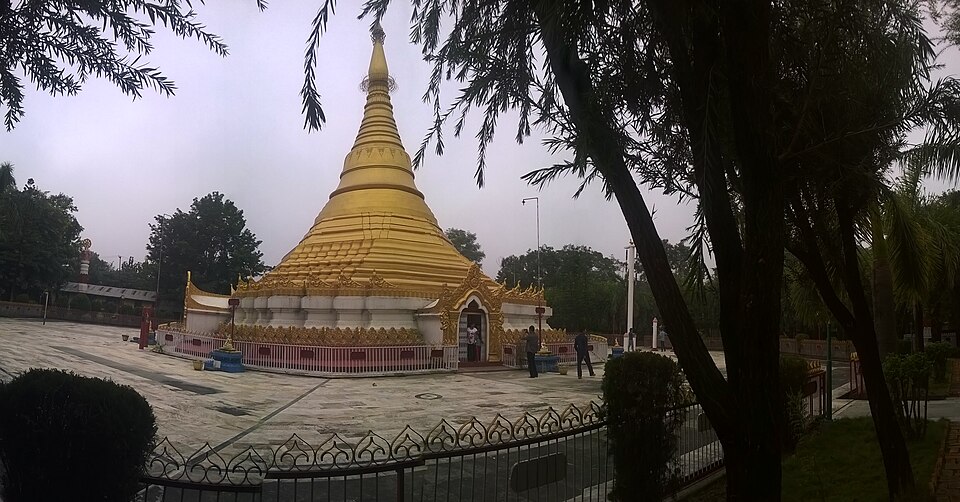
Lokamani Cula Pagoda
लोकमणि चूल पगोडा
Lokamani Cula Pagoda, the Myanmar (Burmese) temple, is a gold-and-white stupa in the eastern monastic zone whose form echoes Yangon’s Shwedagon.
1 स्रोत
 काठमाडौं उपत्यकाPhoto: Suraj Belbase, CC BY-SA 4.0, Wikimedia Commons
Kathmandu Valley · 570 CE to present
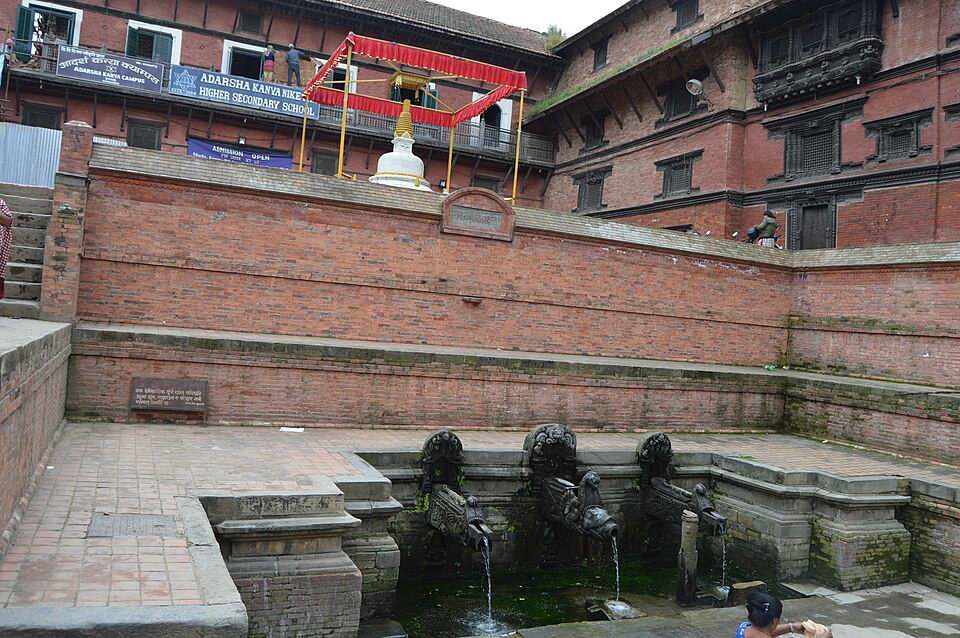
Manga Hiti
मंग हिटी
Manga Hiti is a dhunge dhara, a carved stone water spout fed by an underground infiltration chamber and stone conduits, a technology dating to the Licchavi period, roughly 400 to 750 CE.
4 स्रोत2 दृष्टिकोण
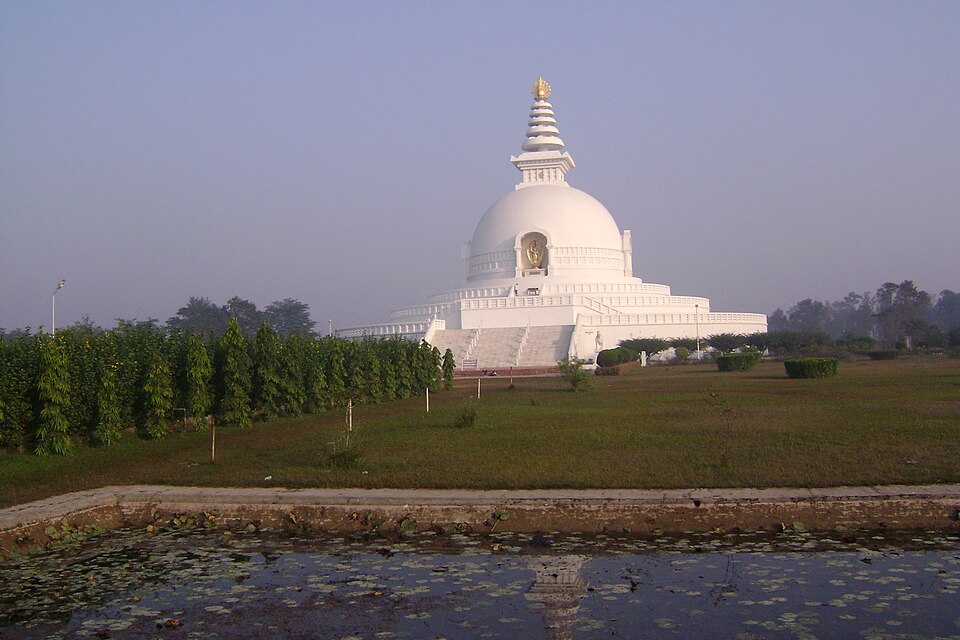 लुम्बिनीPhoto: Samman Humagain, CC BY-SA 3.0, Wikimedia Commons
East Monastic Zone · 2001 CE to present
World Peace Pagoda
विश्व शान्ति स्तूप
The World Peace Pagoda (Shanti Stupa), built by the Japanese Nipponzan-Myōhōji order, is a white domed stupa at the northern terminus of Kenzo Tange’s central axis, about three kilometres from the Sacred Garden.
1 स्रोत
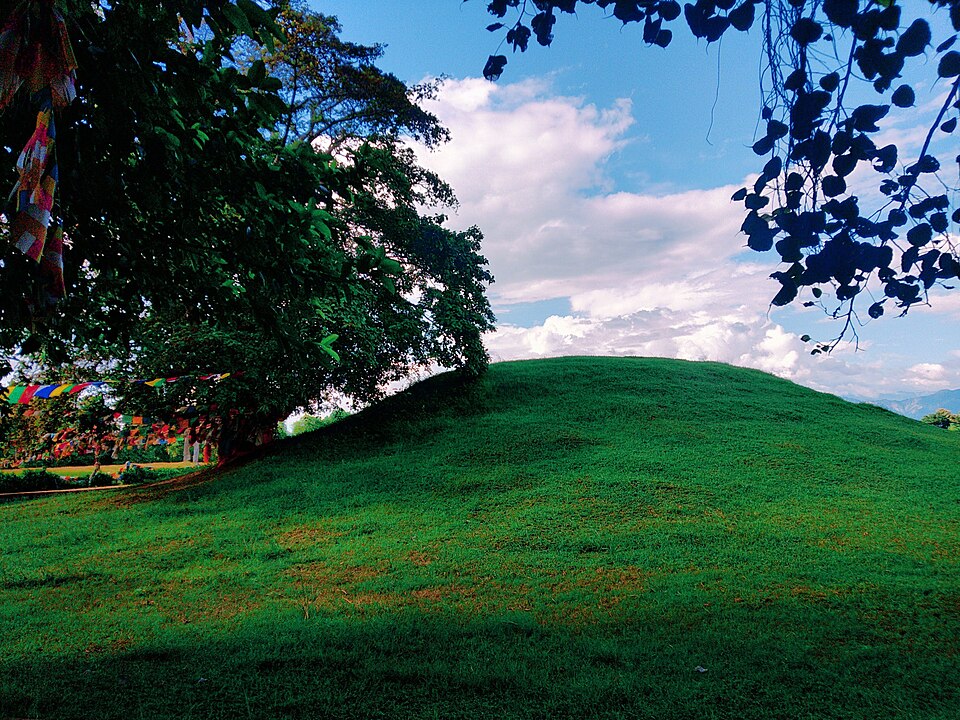 लुम्बिनीPhoto: Sukrat Gaud, CC BY-SA 4.0, Wikimedia Commons
Greater Lumbini · 500 BCE to present
Ramagrama Stupa
रामग्राम स्तूप
Ramagrama Stupa is held to be the only original relic stupa of the Buddha that remains undisturbed: the single one of the eight that was never opened to redistribute its relics.
1 स्रोत
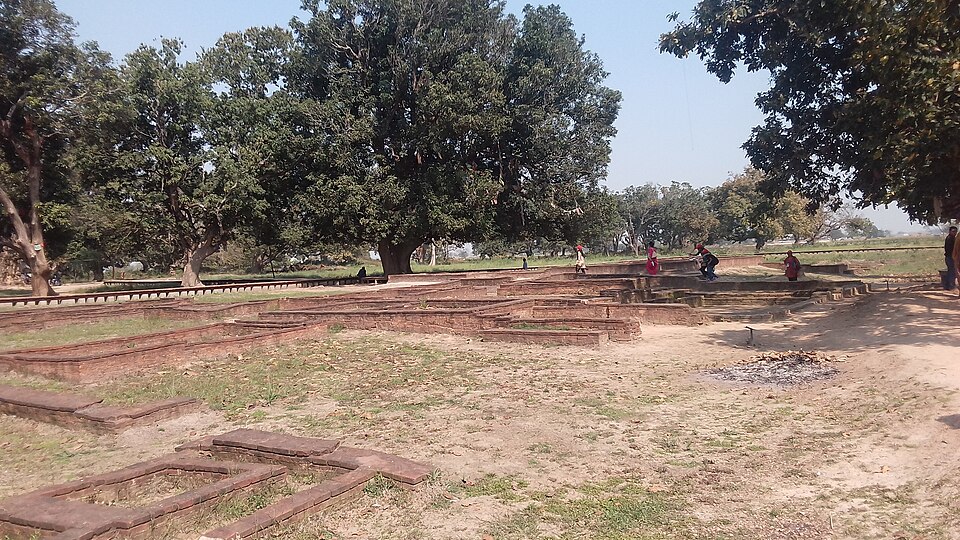 लुम्बिनीPhoto: Sabina Bajracharya, CC BY-SA 4.0, Wikimedia Commons
Greater Lumbini · 600 BCE to present
Tilaurakot–Kapilavastu
तिलौराकोट–कपिलवस्तु
Tilaurakot, widely identified with ancient Kapilavastu, is the fortified town where Prince Siddhartha is said to have grown up and which he left to seek awakening.
2 स्रोत